
Property owners are sometimes surprised to learn they can be legally responsible for environmental contamination on their property even if they did not cause the pollution.
Under federal and California environmental laws, liability for polluted land may extend to current property owners, former owners, operators, and companies involved in hazardous waste generation, transport and disposal.
If regulators discover contamination on your property, you may face cleanup obligations even if the pollution occurred decades before you purchased the land.
Understanding property owner liability for contamination can help you protect your rights and respond effectively to government investigations. An environmental law attorney near you can help you evaluate possible defenses, respond to regulators, and limit financial exposure.
Key Takeaways: Can a Property Owner Be Held Liable for Pollution They Didn’t Cause?
- California law sometimes assigns cleanup responsibility to property owners even if another party created the pollution.
- CERCLA (Superfund) imposes strict liability, meaning regulators do not need proof that you caused the contamination.
- Certain legal defenses exist for buyers who qualify for the innocent landowner defense.
- Environmental site assessments before purchasing property help reveal contamination risks.
- Legal guidance can help property owners limit liability and pursue responsible parties.
What Is Environmental Liability Under California Law?
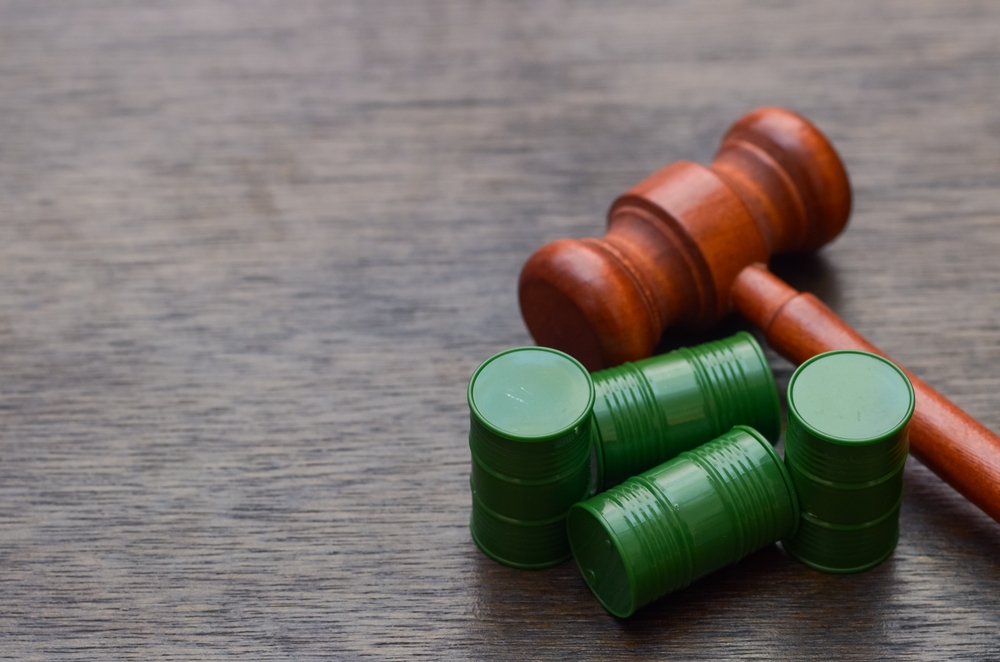 Environmental liability refers to legal responsibility for contamination in soil, water, or air. Both federal and California statutes regulate hazardous waste cleanup and determine who must pay for remediation.
Two major laws shape these rules:
- CERCLA (Superfund): A federal law that allows the government to pursue cleanup costs from parties connected to contaminated sites.
- HSAA (Hazardous Substance Account Act): California’s state-level version of Superfund, which allows state agencies to recover cleanup expenses.
These laws allow regulators to pursue several categories of responsible parties, including property owners, operators of a site, and companies generated, transported or disposed of hazardous materials.
When Are Property Owners Liable for Environmental Contamination?
Authorities may assign liability to:
- Current property owners
- Past owners at the time pollution occurred
- Businesses that generated hazardous substances
- Companies that transported or disposed of those materials
Government agencies sometimes pursue several parties at once. Courts later determine how the cleanup costs should be divided.
Can You Be Liable for Pollution You Didn’t Cause?
Strict liability under CERCLA (the Comprehensive Environmental Response, Compensation, and Liability Act), often called the federal Superfund law, allows regulators to pursue cleanup costs without showing fault. Ownership of contaminated land alone may create a legal connection to the pollution.
This rule surprises many landowners. A person who purchased property years after contamination occurred may still receive notice from regulators requesting cooperation in cleanup efforts.
Courts often apply this rule to ensure contaminated sites receive attention quickly rather than waiting for lengthy disputes about responsibility.
How Prior Owners or Tenants Can Create Your Legal Problem
Many commercial activities leave behind hazardous contamination. Common sources include:
- Dry cleaning chemicals
- Auto repair solvents
- Industrial metal plating waste
- Underground storage tank leaks
- Manufacturing byproducts
These contaminants can remain hidden in soil or groundwater for decades.
Does Buying Contaminated Property Make You Liable?
Property transfers do not automatically erase environmental responsibility. Regulators often review historical ownership records when investigating contamination.
Each owner connected to the property during the pollution period may face scrutiny. That history often leads agencies to contact current owners first because they control the land where cleanup must occur.
What Is the Innocent Landowner Defense?
Federal law recognizes that some property buyers had no knowledge of contamination. The innocent landowner defense allows certain purchasers to avoid liability when they acquired property without awareness of hazardous substances.
Federal regulations require property buyers seeking liability protection to conduct “All Appropriate Inquiries” (AAI) before purchasing property.
Phase I Environmental Site Assessments are the most common method used to satisfy this requirement.
To qualify, a buyer must show that contamination occurred before the purchase and that reasonable investigation took place before closing the deal.
The Due Diligence Requirement: Phase I and Phase II Assessments
Environmental due diligence usually involves environmental site assessments:
- Phase I Environmental Site Assessment: A review of property records, historical land use, and visual inspections to identify potential contamination risks.
- Phase II Environmental Site Assessment: Soil, groundwater, or building material testing conducted when Phase I reveals possible hazards.
- Recognized Environmental Conditions: Evidence suggesting possible contamination that warrants additional investigation.
Buyers who complete these assessments demonstrate responsible investigation before acquiring the property.
Why This Defense Is Harder to Win Than It Sounds
Courts examine whether buyers truly performed appropriate environmental due diligence. Missing records, incomplete assessments, or ignored warning signs may weaken the defense.
Sometimes, contamination signs appear during inspections but receive little attention before closing. That situation may prevent a property owner from using the innocent landowner defense.
What Happens If You Are Held Liable for Contaminated Property?
Environmental cleanup expenses often reach substantial levels. Soil excavation, groundwater treatment, and long-term monitoring programs frequently continue for years.
Even smaller contamination cases sometimes involve testing, engineering studies, and regulatory reporting.
Government Enforcement Actions and Penalties
State or federal agencies may issue enforcement orders requiring investigation and remediation. Noncompliance sometimes results in financial penalties or additional legal actions.
Landowners who respond promptly and cooperate with regulators often maintain better control over the situation.
Impact on Property Value and Future Transactions
Contaminated land often experiences reduced market value. Lenders and buyers frequently request environmental reports before financing or purchasing property.
Cleanup progress and documented remediation plans sometimes restore property value over time.
How Our Firm Can Help
Our attorneys at Tropea McMillan LLP help property owners understand their legal position when contamination issues arise. We review environmental reports, ownership records, and regulatory notices to evaluate your potential liability and identify available defenses under federal and California law.
Our team also communicates with regulators, coordinates with environmental consultants, and works to shift responsibility toward the parties that caused the pollution. Through careful strategy and steady advocacy, we help protect your property rights while addressing cleanup obligations.
Frequently Asked Questions About Property Owner Liability for Pollution
Does a property owner have to clean up contamination left by a former tenant?
Yes, sometimes. Environmental laws may assign cleanup responsibility to current landowners even if a tenant caused the pollution. However, legal claims against the tenant or other responsible parties may shift part of the financial burden.
Can a landlord be held liable for a commercial tenant’s pollution?
Landlords sometimes face liability when contamination occurs on their property. Courts may examine lease terms, knowledge of hazardous activities, and involvement in site operations.
What is a Phase I Environmental Site Assessment, and is it required?
A Phase I Environmental Site Assessment reviews property records, historical uses, and site conditions to identify possible contamination risks. Federal regulations strongly encourage this investigation before purchasing commercial property.
How long does the government have to pursue an environmental liability claim in California?
Environmental statutes often allow regulators several years to pursue cleanup costs, depending on the type of contamination and discovery timeline. Certain cases involving hazardous substances may extend enforcement periods.
What happens if multiple parties are responsible for the same contamination?
Courts sometimes allocate costs among responsible parties based on their involvement in the pollution. Landowners, operators, and companies that produced hazardous substances may share responsibility.
Understanding Property Owner Liability for Contamination
Environmental laws sometimes hold property owners responsible for contamination even when they did not personally cause the pollution. Because cleanup costs can be substantial, understanding defenses such as the innocent landowner rule and conducting proper environmental due diligence before purchasing property can help limit financial exposure.
Contact Our Environmental Law Attorneys in California Now
 Environmental contamination issues often bring uncertainty for property owners. Government investigations, cleanup costs, and potential liability create significant stress for individuals and businesses alike.
Our attorneys at Tropea McMillan LLP bring experience and a focused approach to environmental law matters throughout California. We work closely with property owners to assess liability risks, assert available defenses, and pursue fair outcomes.
If contamination concerns affect your property, reaching out to our team for a free consultation can help you move forward with clarity and support.